In today’s increasingly cashless economy, tracking digital payments has become more crucial than ever — especially for small businesses in Nigeria. With smartphones, diverse payment platforms, and a growing base of customers who prefer digital channels, managing payments manually just isn’t sustainable.
Without effective tracking, SMEs risk lost revenue, inaccurate books, and poor financial decisions. That’s where digital payment trackers come in: tools and systems that help you record, monitor, and organize every transaction — instantly and safely.
This guide explains why tracking digital payments matters, what tools Nigerian SMEs can use (including Nairatrack.com), and practical steps to implement a tracking system that promotes financial clarity and business growth.
🔎 Why Nigerian Small Businesses Need a Digital Payment Tracker
Digital payment methods — from POS terminals and mobile wallet transfers to online banking and QR code payments — are no longer future trends but everyday realities for Nigerian businesses. These tools help you:
- Improve record-keeping: No more guessing which payment came from whom or when.
- Reduce errors: Digital records eliminate mistakes common in manual books.
- Gain real-time insights: See incoming money flow instantly.
- Boost customer confidence: Receipts and records prove professionalism.
- Prepare for tax/financing needs: Organized records make audits easier.
As digital payments continue to grow — supported by robust fintech services like Paystack, Flutterwave, Kora, and PalmPay — Nigerian merchants have more ways than ever to accept cashless transactions.
📊 What Is a Digital Payment Tracker?
A digital payment tracker is a system or tool that records, organizes, and monitors all payments your business receives electronically.
Instead of writing down sales in a notebook (which is prone to loss and errors), a tracker:
✔️ Shows payment history
✔️ Generates receipts or invoices
✔️ Lets you sort records by date, customer, or platform
✔️ Enables easy export for accounting purposes
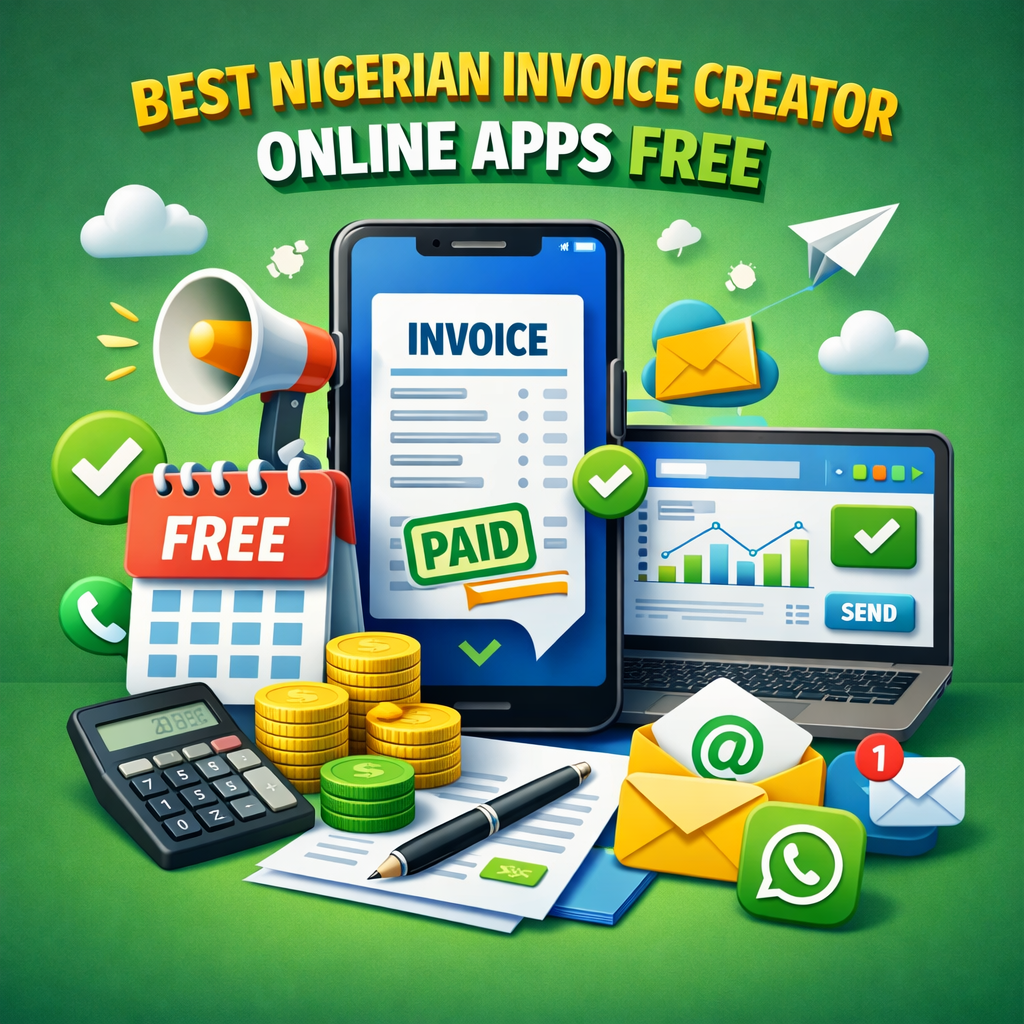
Some trackers even let you create receipts instantly and send them to customers via WhatsApp, email, or SMS.
💼 Top Ways Nigerian SMEs Can Track Digital Payments
1. Use Dedicated Payment Tracking Tools
There are tools designed specifically for Nigerian SMEs to track payments — without the complexity of full accounting software.
📌 Nairatrack.com — A top choice for Nigerian small businesses:
- Tracks digital payments in ₦ Naira.
- Lets you create and save receipts online instantly.
- Works right in your browser — no app download required.
- You can send receipts via WhatsApp, email, or SMS.
👉 Whether you run a market stall, salon, freelance business, or POS shop, Nairatrack.com helps you record and manage payments easily — saving time and improving accuracy.
2. Leverage Fintech Payment Platforms
Many fintech firms in Nigeria offer tools that help you accept payments and keep records automatically:
- Paystack — Widely used online/offline payment solution with transaction dashboards.
- Flutterwave — Provides merchant services, online payments, and reporting features.
- PalmPay — Mobile payment ecosystem with transaction tracking for users and businesses.
- Others include tools like LooseChange and Kora, which help SMEs manage transactions on smartphones.
3. Integrate with Accounting or POS Software
If your business is scaling, you might pair your digital payment tracking with accounting or POS systems that automatically reconcile payments and sales records. These tools help with inventory, cash flow, and reporting.
📌 Step-by-Step: How to Track Payments Efficiently
Here’s how Nigerian SMEs can adopt digital tracking:
✔️ Step 1: Choose a Tracking Tool
Select a platform that matches your needs — for many, Nairatrack.com offers a simple and local-oriented starting point.
✔️ Step 2: Record All Sales
Enter every payment into your tracker — whether it’s POS, bank transfer, mobile wallet, or link payments.
✔️ Step 3: Issue Digital Receipts
Whenever a customer pays, generate a digital receipt. This improves credibility and creates a permanent record — shareable via WhatsApp or email.
✔️ Step 4: Review Regularly
Set time weekly or monthly to review your tracked transactions and monitor trends in sales and customer behavior.
✔️ Step 5: Back Up Your Records
Always download or export backups of your payments for long-term storage or accounting purposes.
📈 Benefits of Tracking Digital Payments
By organizing your payment data digitally, you’ll enjoy:
🔹 More Accurate Financial Records
🔹 Faster Cash Flow Analysis
🔹 Better Customer Service
🔹 Easier Tax Compliance
🔹 Data-Driven Decisions (e.g., peak sales times, popular products)
Conclusion
For Nigerian SMEs looking to grow and operate more professionally, tracking payments digitally isn’t just a convenience — it’s a business necessity. With tools tailored for the local business environment, like Nairatrack.com, you can streamline how you manage your sales, receipts, and customer transactions.
📌 Start today with a digital payment tracker — become more organized, accurate, and ready to scale your business!
👉 Visit Nairatrack.com and begin tracking your payments in minutes!
FAQs
Q: Do I need special hardware to track digital payments?
A: No — many tools work directly via mobile browser or mobile app.
Q: Can digital receipts be used for tax records?
A: Yes — digital receipts are generally accepted as valid evidence of transaction history.
Q: Is it secure to track payments online?
A: Choose tools with secure data encryption and privacy protection to ensure safety.